
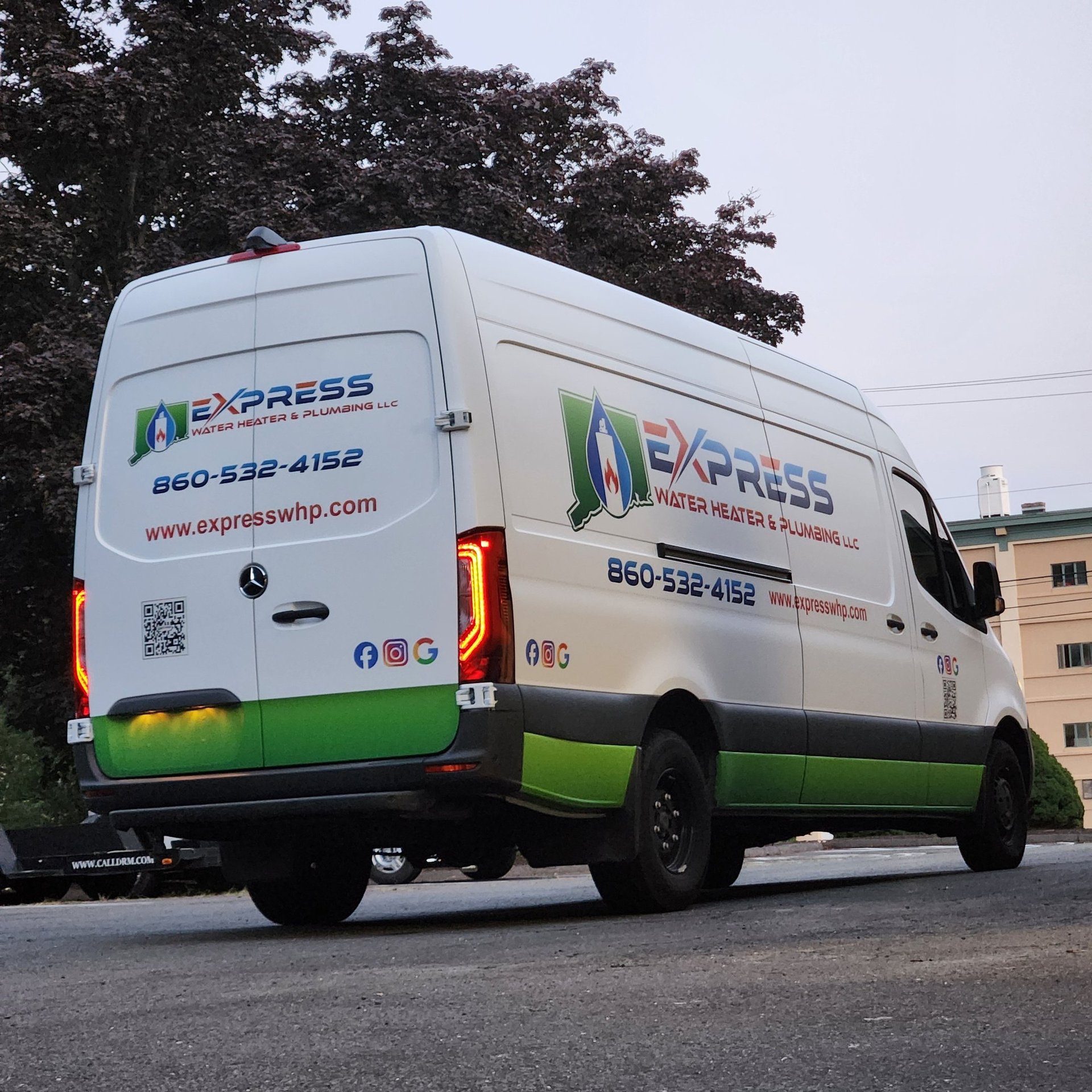
How Long Does a Vinyl Wrap Last?
A professionally installed vinyl car wrap will typically last between three and seven years. Premium cast vinyl can often remain attractive for five to seven years when it is properly installed and maintained.
However, there is no single lifespan that applies to every vehicle wrap. The quality of the material, installation method, climate, sun exposure, vehicle storage, and maintenance routine all affect how long a vinyl wrap lasts.
What Determines a Car Wrap’s Lifespan?
Five factors have the greatest effect on vehicle wrap durability:
1. Vinyl Quality
Premium cast vinyl from a reputable manufacturer generally lasts longer and performs better than inexpensive or unbranded material. Low-quality vinyl may begin fading, shrinking, cracking, or lifting within the first one or two years.
Choosing the cheapest material can save money initially, but it may result in premature replacement and additional removal costs.
2. Professional Installation
Even premium vinyl can fail when it is installed incorrectly. Poor surface preparation, overstretched material, improperly finished edges, trapped contamination, and insufficient post-heating can cause lifting, bubbling, or shrinking.
Professional vinyl wrap installation helps the material adhere correctly and perform as intended.
3. Sun and Weather Exposure
UV radiation and excessive heat are two of the biggest threats to a vehicle wrap. Cars parked outdoors every day—especially in hot, sunny climates—will usually experience fading and deterioration sooner.
Horizontal areas such as the hood, roof, and trunk often wear faster than vertical panels because they receive more direct sunlight and heat.
4. Cleaning and Maintenance
Regular, gentle cleaning helps prevent dirt, chemicals, bird droppings, tree sap, insects, and road contaminants from damaging the vinyl.
Think of a car wrap like a tattoo: you need quality materials, a skilled professional, and proper aftercare to achieve long-lasting results.
5. Vehicle Storage
Whenever possible, park your wrapped vehicle in a garage, under a covered structure, or in the shade. Limiting long-term exposure to sunlight, heat, rain, and other environmental conditions can help extend your car wrap’s lifespan.
How to Make a Vinyl Wrap Last Longer
Follow these vinyl wrap maintenance tips to protect your investment:
Wait for the period recommended by your installer before washing a newly wrapped vehicle—usually 48 to 72 hours.
Hand-wash the vehicle using mild, pH-neutral automotive soap, clean water, and a soft microfiber cloth or nonabrasive sponge.
Avoid automatic car washes with brushes. The brushes can scratch the vinyl, dull its finish, or catch the edges and cause lifting.
Choose a touchless car wash if hand-washing is not possible.
Remove bird droppings, fuel spills, insects, tree sap, and other contaminants as quickly as possible.
Avoid aggressive pressure washing, especially near seams and edges. Follow the vinyl manufacturer’s pressure and distance recommendations.
Park in a garage or shaded area whenever possible.
Inspect the wrap regularly for lifting edges, tears, bubbling, or other signs of damage.
Should You Apply Ceramic Coating to a Vinyl Wrap?
A wrap-safe ceramic coating can provide additional hydrophobicity, stain resistance, and easier cleaning. It may also help reduce environmental wear, but it cannot prevent all fading or damage.
Always confirm that the coating is compatible with your specific vinyl brand and finish. Products designed for glossy paint may not be appropriate for matte, satin, textured, or specialty wraps.
What Should You Do If the Wrap Is Damaged?
Address wrap damage as soon as possible. A small lifted edge or tear can become a larger problem when exposed to wind, water, heat, and repeated washing.
Contact a professional installer to determine whether the damaged section can be repaired or needs to be replaced. Acting quickly can prevent the damage from spreading to surrounding panels.
Can a Vinyl Wrap Last 10 Years?
Some premium films carry high durability ratings under specific conditions. However, those ratings may apply to particular colors, finishes, climates, and vertical surfaces.
For a complete vehicle wrap exposed to everyday driving conditions, three to seven years is a more practical expectation. The hood, roof, and trunk may need attention sooner because they receive greater UV and heat exposure.
When Should a Car Wrap Be Replaced?
Consider replacing or professionally removing the wrap when you notice:
Significant fading or discoloration
Cracking or brittle vinyl
Peeling or lifting edges
Persistent bubbling
Excessive scratches or surface damage
Adhesive failure
A finish that no longer meets your expectations
Do not wait until severely deteriorated vinyl becomes extremely brittle. Timely professional removal can make the process easier and reduce the possibility of adhesive residue.
The Bottom Line
How long does a vinyl wrap last? Most quality vehicle wraps last approximately three to seven years, while premium vinyl with professional installation and excellent care can often reach the upper end of that range.
The best results come from three essentials: high-quality vinyl, professional installation, and consistent maintenance. Treat your wrap properly, and it can keep your vehicle looking fresh and distinctive for years.